


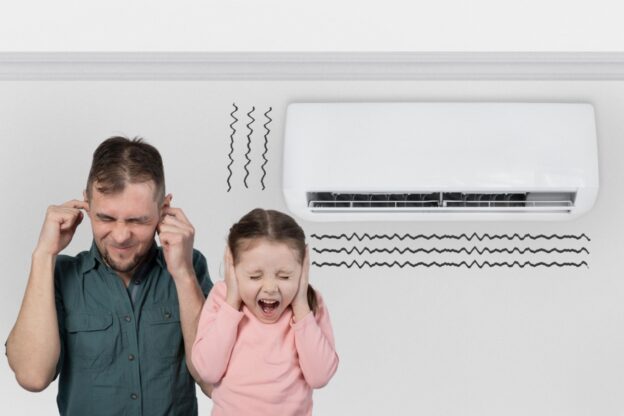
You’re settling in for a quiet evening at home when suddenly, an unexpected sound emerges from somewhere in your house. A metallic clang, a high-pitched squeal, or a persistent hum that won’t quit. Your HVAC system is trying to tell you something, and those mysterious sounds aren’t just random occurrences. They’re valuable signals that something needs attention.
Maybe a component is crying out for lubrication. Perhaps debris has found its way where it shouldn’t be. Or a crucial part is showing signs of wear and tear that could lead to a complete breakdown if ignored. The good news? Learning to decode these sounds puts you one step ahead of major repairs and uncomfortable nights spent in less-than-ideal temperatures.
At Care Temp LLC, we offer an extensive range of heating and AC repair services that address every possible HVAC issue you might face. Our skilled technicians have heard it all and know exactly how to diagnose and resolve whatever’s making your system sing that unwelcome tune. Reach out to us today, and let’s restore the quiet comfort your home deserves.
Banging or Clanking
A loud banging or clanking sound is impossible to ignore and often indicates a significant mechanical issue. This abrupt noise could point to a loose or broken part within your HVAC system, such as a piston pin or connecting rod in the compressor. In a furnace, this may indicate a problem with the ignition system, particularly if the sound occurs when the system starts. This is a sound that requires immediate professional inspection to prevent severe damage.
Screeching or Squealing
A high-pitched screeching or squealing sound is often associated with moving parts that lack sufficient lubrication. This metallic noise frequently comes from the motor bearings in either the indoor air handler or the outdoor condenser fan. It can also be caused by a worn or slipping belt connecting the motor to the fan. Addressing this sound quickly can prevent a motor from failing completely.
Hissing
A steady hiss often signals a refrigerant leak. When refrigerant escapes, the evaporator coil and compressor cannot regulate temperature efficiently, which puts strain on the entire air conditioning system. Hissing might also come from air escaping through a crack in the duct. Both issues reduce indoor air quality, making your HVAC system work harder, which in turn drives up energy use and increases the risk of further damage.
Buzzing or Humming
Buzzing or humming sounds can come from loose contactors, relay switches, or electrical components within the air handler or condenser. The thermostat or ignition system may also contribute to these electrical noises if parts are wearing down. While a light hum can be normal, consistent buzzing should be checked promptly to prevent electrical hazards or damage to other components like the compressor or pump.
Rattling
A rattling HVAC system often means debris has entered the duct or outdoor condenser unit. Twigs, leaves, or dirt inside the fan can create an uneven sound. Sometimes, rattling stems from loose screws, a damaged air filter frame, or parts vibrating due to wear and tear. Left unaddressed, the shaking can weaken the system and compromise the airflow balance throughout the home.
Clicking
Your HVAC system will make a clicking sound at the beginning and end of each cycle, which is a normal part of the thermostat and electrical controls’ operation. Continuous or rapid clicking, however, suggests a problem. This type of noise could stem from a faulty relay or a failing electrical control within the unit or the thermostat itself, preventing the system from operating correctly.
Whistling
A whistling HVAC unit often means restricted airflow. This problem usually develops when the air filter is clogged or the duct has a leak. The strain on the blower forces air through tight spaces, creating a sharp whistle. The sound may also be caused by a leak in your home’s duct system, which impacts efficiency and indoor air quality.
Thumping or Knocking
Thumping or knocking sounds may come from a misaligned blower wheel, worn bearings, or debris inside the furnace or boiler. These sounds often repeat with each cycle, which signals that something is striking with every rotation. Continuing to run the system without inspection risks serious harm to the blower or heat exchanger.
Easy Troubleshooting Tips
Before calling a professional, consider investigating a few things yourself. These simple steps can sometimes identify the source of the noise and may even offer a quick solution.
- Replace the Air Filter: A dirty filter can block airflow, leading to whistling or rattling. Regular replacements keep the system breathing easily.
- Clear Debris Around the Condenser: Outdoor units collect leaves, dirt, and branches. Removing these items keeps the fan clear and prevents rattling.
- Check Thermostat Settings: Incorrect temperature commands can cause short cycling and clicking. Confirm that your thermostat matches the season’s climate needs.
- Tighten Loose Panels: Vibration during normal operation can loosen screws, causing rattling. Securing panels helps restore steady operation.
- Inspect Visible Ducts: Gaps or cracks can create hissing and whistling. Sealing them improves airflow and reduces sound.
When Should You Call a Pro for a Noisy HVAC?
Some sounds signal problems that require professional expertise to diagnose and repair safely. Attempting to fix certain issues yourself could void warranties, create hazards, or cause additional damage. Here’s when you should stop troubleshooting and call Care Temp LLC.
- Refrigerant Leaks: Any hissing accompanied by ice formation on your AC lines or reduced cooling performance needs professional attention. Refrigerants require special handling and certification to repair properly.
- Gas Smells or Suspected Gas Leaks: If you smell gas or hear hissing near your furnace or boiler, evacuate immediately and call emergency services, then contact us for repairs once it’s declared safe.
- Electrical Buzzing or Burning Smells: Loud electrical buzzing, especially paired with burning odors or visible sparks, indicates serious electrical problems that pose fire risks and require immediate professional intervention.
- Continuous Loud Banging During Ignition: Delayed combustion that creates explosive banging sounds can crack your heat exchanger, potentially releasing carbon monoxide into your home. This is a life-threatening situation and should not be ignored.
- Screeching That Won’t Stop: While you might survive without heating for a few hours, a screeching blower motor could seize completely, leaving you in the cold and potentially damaging other system components.
- Any Sound That Gets Progressively Louder: Worsening sounds indicate degrading components that will eventually fail. Early intervention almost always costs less than emergency repairs after complete breakdowns.
- Sounds Accompanied by Performance Issues: When strange sounds coincide with inadequate heating, cooling, or significant increases in energy bills, complex problems likely require professional diagnosis and repair.
Care Temp LLC Has the Skills to Silence Your HVAC System for Good!
Every sound in your HVAC system tells you something, and taking action sooner protects your investment. Care Temp LLC has decades of experience with repair services for furnaces, boilers, air conditioning systems, and heat pumps. Our technicians handle refrigerant leaks, thermostat issues, duct problems, and ignition system failures with precision.
We offer thorough inspections, lubricant treatments, and professional repair to keep your indoor climate steady and your home peaceful. If your system is speaking louder than it should, trust Care Temp LLC to restore harmony and comfort. Call us today to schedule your repair and experience HVAC service that puts your needs first.