


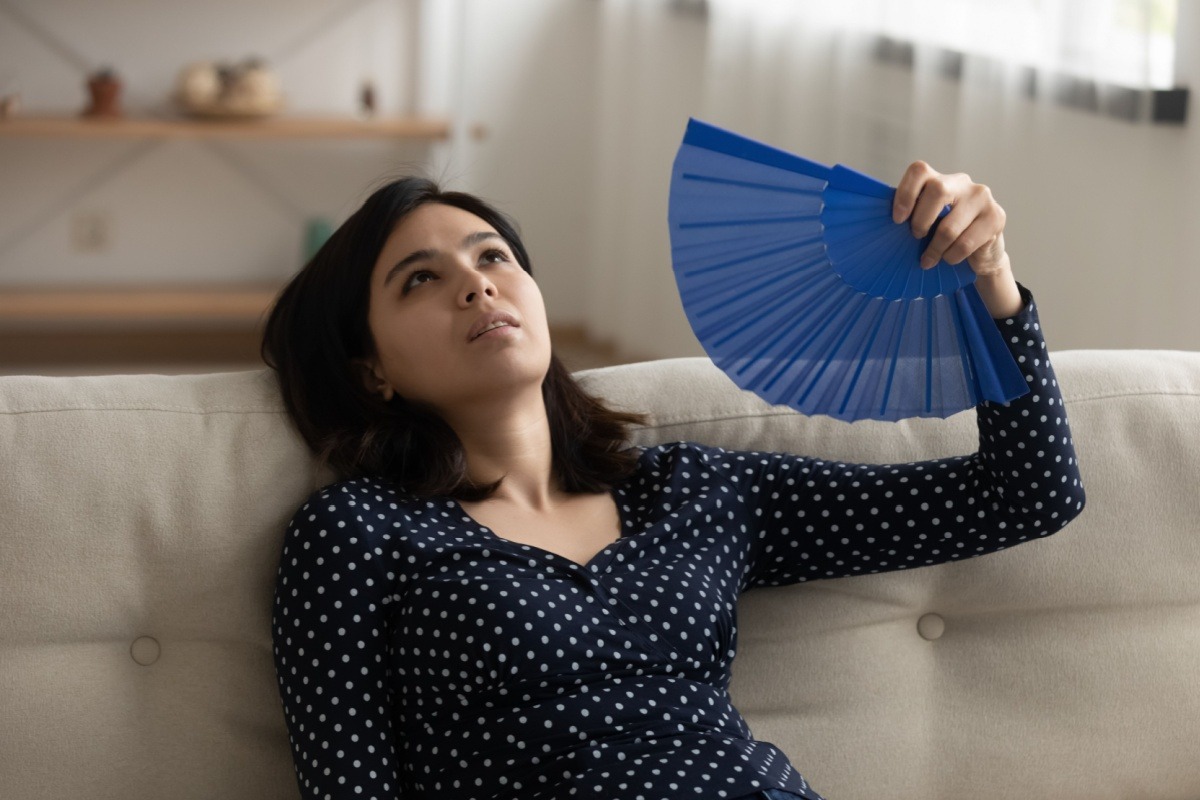
Living along the Jersey Shore is a dream for many, but as any Ocean County homeowner knows, the coastal climate presents a unique set of challenges for indoor comfort. We all know those summer days in Toms River or Point Pleasant where the air feels heavy enough to wear. You come inside, crank the air conditioner down to 68°F, and wait for relief. But even when the air coming out of the vents is cold, something feels off. Your skin feels tacky, the sheets feel slightly damp, and the air has a heavy, “clammy” quality to it.
This is the “hidden” comfort challenge of the Jersey Shore: high indoor humidity. It is a common misconception that “cooling” and “dehumidifying” are the same thing. While your air conditioner is designed to do both, they are two distinct mechanical tasks. If your system is focused solely on dropping the temperature without pulling moisture out of the air, you’re just living in a cold swamp. To help you reclaim your home’s comfort this season, let’s look at the four major reasons why your HVAC system might be losing the war against Jersey Shore humidity.
The “Short-Cycling” Trap: Why Bigger Isn’t Always Better
In the world of HVAC, there is a persistent myth that a larger AC unit is always a “better” unit. However, many older homes in Ocean County are equipped with oversized systems that suffer from short cycling.
Dehumidification happens at the evaporator coil. As warm, moist air from your home passes over the cold coils, the moisture condenses into water droplets (much like sweat on a cold soda can) and is drained away. This process takes time. An oversized unit is so powerful that it blasts frigid air into your home and hits the thermostat’s target temperature in just a few minutes. Because the goal temperature was reached so quickly, the unit shuts off before the “sweating” process on the coils can actually remove a significant amount of water from your air. The result? A home that is 70°F but 70% humidity. You’ll find yourself constantly lowering the thermostat just to get the unit to kick back on, leading to higher energy bills and a “shiver-and-sweat” cycle that never ends.
The 2026 Refrigerant Transition: Precision in a New Era
As of 2026, the HVAC industry has undergone a massive regulatory shift. To meet new environmental standards, we have moved away from R-410A to newer, more efficient A2L refrigerants, such as R-454B. While these refrigerants are excellent for the environment and for efficiency, they require much more precise system calibration than systems from ten years ago.
For an AC to dehumidify effectively, the evaporator coil must remain at the exact “dew point” temperature. If the refrigerant charge is off by even a small margin, or if the airflow hasn’t been tuned to the specific properties of R-454B, the system may provide adequate cooling but fail miserably at moisture removal. In 2026, “eyeballing” a repair is no longer an option. Modern systems require technicians who understand the thermodynamic properties of these new fluids to ensure that your system is actually extracting water from the air.
Coastal Wear and Tear: The Toll of Salt Air
For those of us in Brick and Point Pleasant, the salt air is a blessing for the soul but a curse for aluminum and copper. Salt air corrosion is a relentless force that attacks the exterior condenser coils of your HVAC unit.
When your outdoor coils become “pitted” or coated with salt-induced oxidation, the system’s ability to release heat to the outside is severely compromised. This makes the entire cooling cycle less efficient. As the system struggles to dump heat, the indoor evaporator coil may not remain at the consistent temperature required for condensation. Furthermore, salt air can restrict airflow. When your system has to work twice as hard just to move air through corroded fins, it loses the “stamina” required for long, slow dehumidification cycles. Regular coastal maintenance isn’t just about making the unit last longer; it’s about keeping it efficient enough to keep you dry.
The Case for Whole-Home Dehumidifiers: Active vs. Passive Control
Sometimes, even a perfectly tuned AC unit isn’t enough to handle a Jersey Shore July. Standard air conditioners provide “passive” dehumidification—they only remove moisture when they are actively cooling the air. On a “humid but mild” day (say, 75°F with 90% humidity), your AC might not run at all because the house isn’t “hot” enough, leaving you sitting in a muggy living room.
This is where whole-home dehumidification comes in. These systems provide “active” control. They are integrated into your existing ductwork and have their own dedicated humidistat. If the humidity in your home rises above your set point (ideally 45-50%), the dehumidifier kicks on independently of the cooling cycle. It pulls moisture from the air and returns the dry air to your home without overcooling your rooms. This is the gold standard for coastal comfort, ensuring your home feels crisp and fresh regardless of the weather on the Boardwalk.
Why Professional Expertise Matters in Ocean County
At Care Temp, LLC, we’ve spent years servicing the specific needs of Jersey Shore homeowners. We don’t just look at the temperature; we look at the science of your indoor air quality. Our certified technicians are fully trained in the 2026 A2L refrigerant standards and provide the comprehensive AC repair and maintenance required to protect coastal systems from the corrosive effects of the Atlantic.
Whether you are in Toms River, Brick, or Point Pleasant, don’t settle for a home that feels like a steam room. Let the local experts help you find the perfect balance of cool and dry. Contact Care Temp, LLC today for a free, comprehensive evaluation of comfort and humidity. We’ll make sure your home is the sanctuary it’s meant to be.